PROBLEM

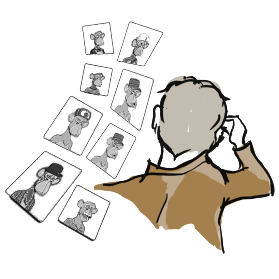
In a market driven by hype and rankings, emerging artists struggled to gain visibility or reach an audience.

CONTEXT

NFTs Took Off Rapidly, but the Market Remains Skewed

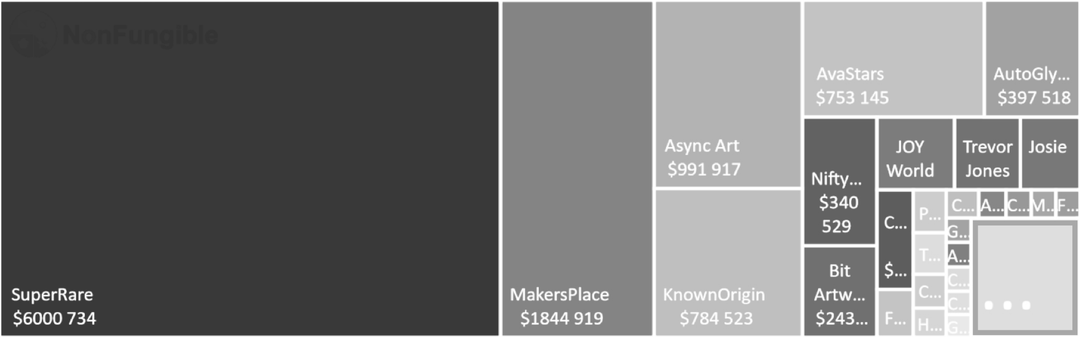
Since the first NFT was minted in 2014, the market ballooned from $250M in 2020 to $2.47B in the first half of 2021.

However, 80% of sales concentrated in the top 10 collections, leaving little visibility for new creators.

Market Saturation Left New Artists Unseen

🎛️

Fragmented Platforms

Wallets, marketplaces, and communities existed in silos. Artists had to switch tools just to mint, share, and sell.

📈

Ranking-Driven Discovery

Visibility depended on leaderboard positions and transaction volume — favoring a few top creators while newcomers stayed invisible.

🔐

High Entry Barrier

The workflow required technical literacy and crypto familiarity, excluding artists from traditional creative backgrounds.

💬

Lack of Social Context

NFTs circulated as assets, not as stories. There was no space to connect creative intent with audience appreciation.

🎨

For artists, their work was almost invisible.

“My work got a few views when first listed, then disappeared in the flood of thousands of releases.”

👤

For buyers, discovery felt narrow and repetitive.

“I can’t afford top collections like Bored Ape, but it’s hard to discover anything new or different.”

Centralized Promotion, Decentralized Promise Broken

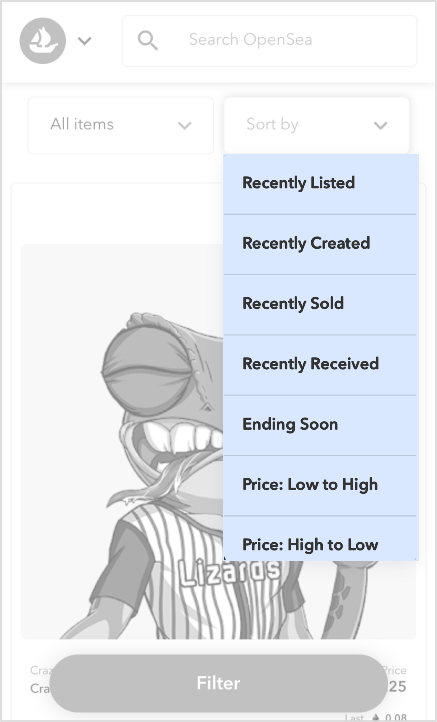
Our competitive analysis focused on OpenSea, the largest NFT marketplace. Despite its dominance, the platform’s design decisions unintentionally disadvantage newcomers:

Rankings Over Relevance
NFTs are listed mainly by sort (recently listed, sold, or priced), burying emerging works under endless scrolls.

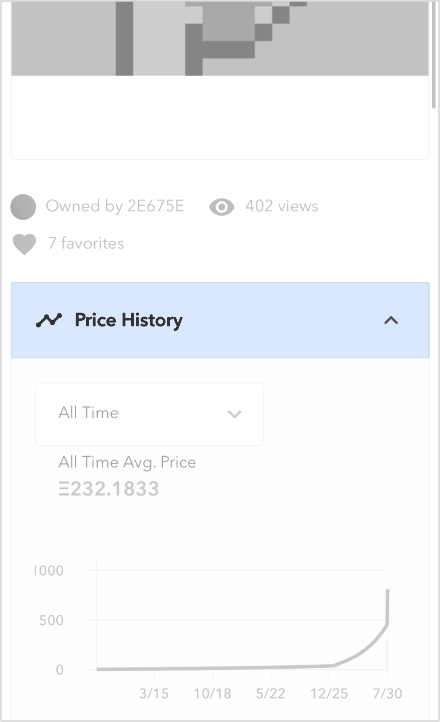
Price Over Story
The interface highlights price history, while artist narratives remain invisible, reducing cultural value to trading numbers.

Controlled Promotion
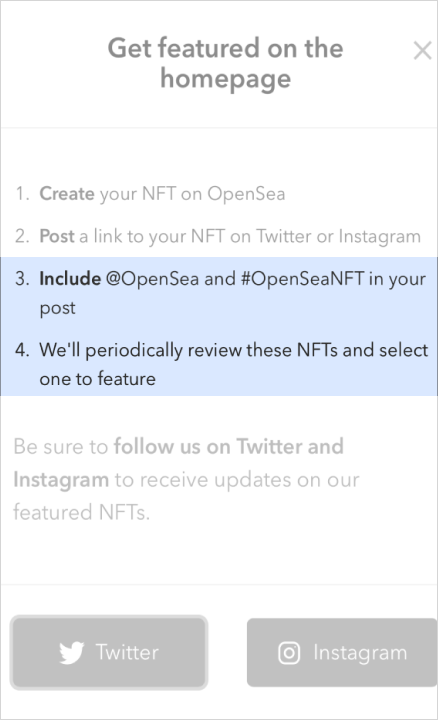
Homepage features and promotions are tightly curated by the platform, contradicting the idea of decentralization.

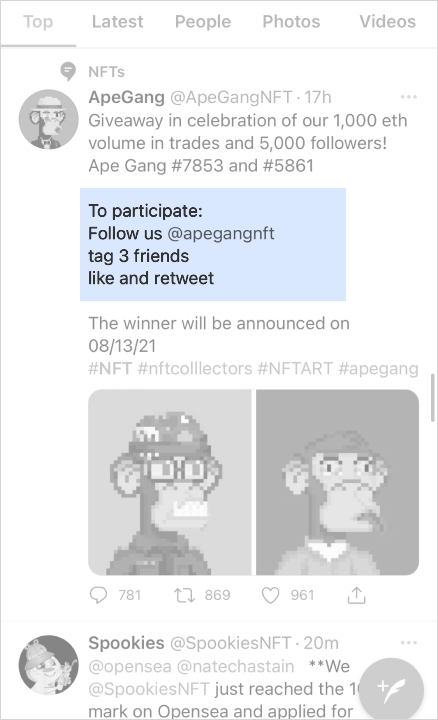
Poor Fit with Social
External platforms like Twitter or Instagram dominate promotion, yet they are not designed for NFT discovery or curation.

Key Insights From Journey & Competitive Analysis:

Established collections dominate attention, while emerging voices remain invisible, and buyers lack intuitive ways to find fresh value.

1. Marketplaces are ranking-driven:
New works are buried under “Top” or “Price” filters.

2. Lack of context:
NFTs shown as static images, without story, recommendation, or artist identity.

3. Promotion centralized by platforms:
Visibility depends on algorithms or paid slots, against the idea of decentralization.

4. Social platforms not NFT-native:
Fragmented conversations on Twitter/Instagram, not designed for discovery or collection.

CHALLENGE

How Might We help newcomer artists gain market attention?

IDEATION

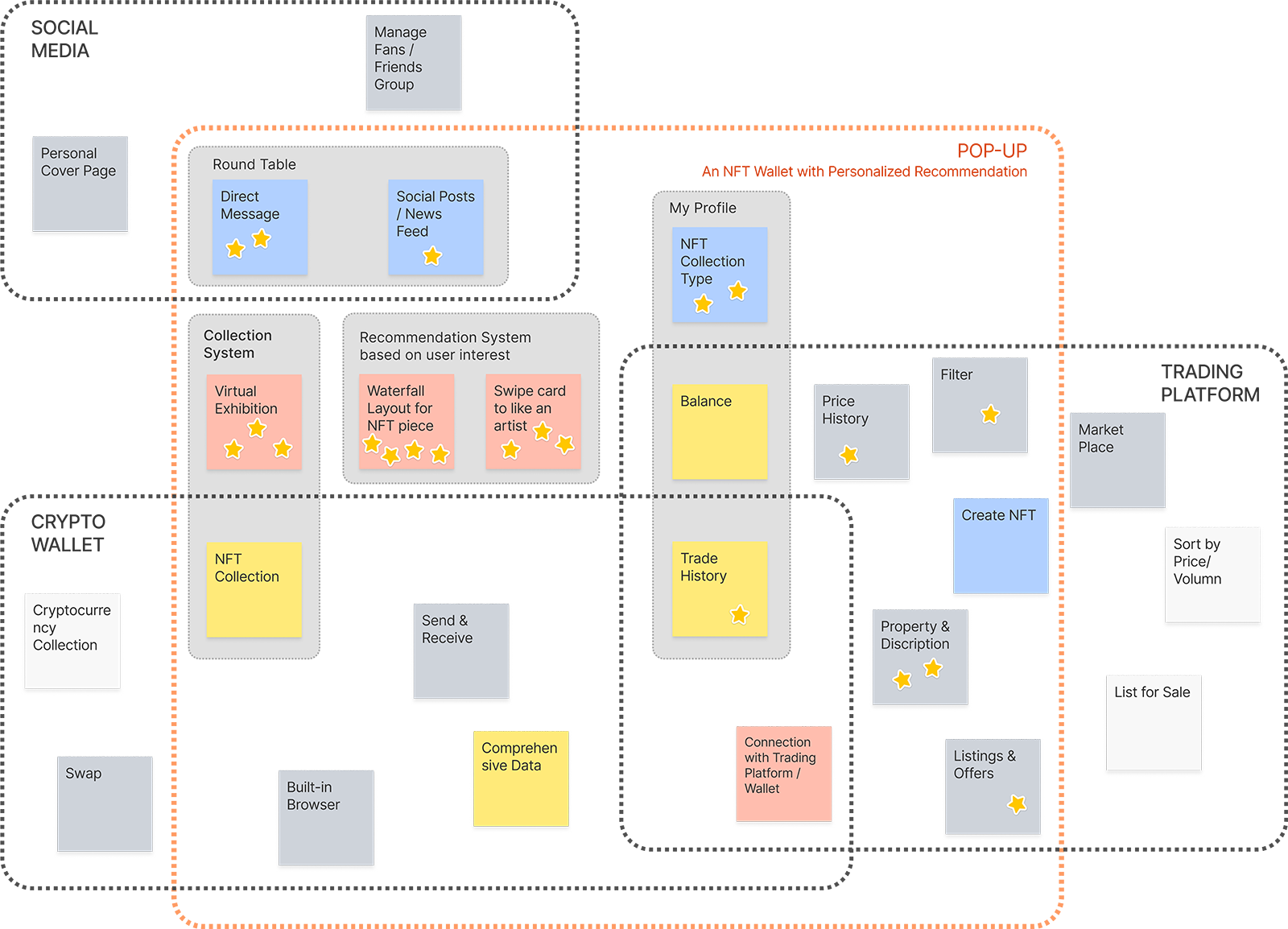
Breaking Down the Ecosystem

Today’s ecosystem is fragmented:

📣

Social Media

High traffic but noisy, lacking meaningful ways to highlight artists.

💳

Crypto Wallets

Functional for storage, but disconnected from discovery or community.

📊

Trading Platforms

Over-reliant on price and volume rankings, leaving new works almost invisible.

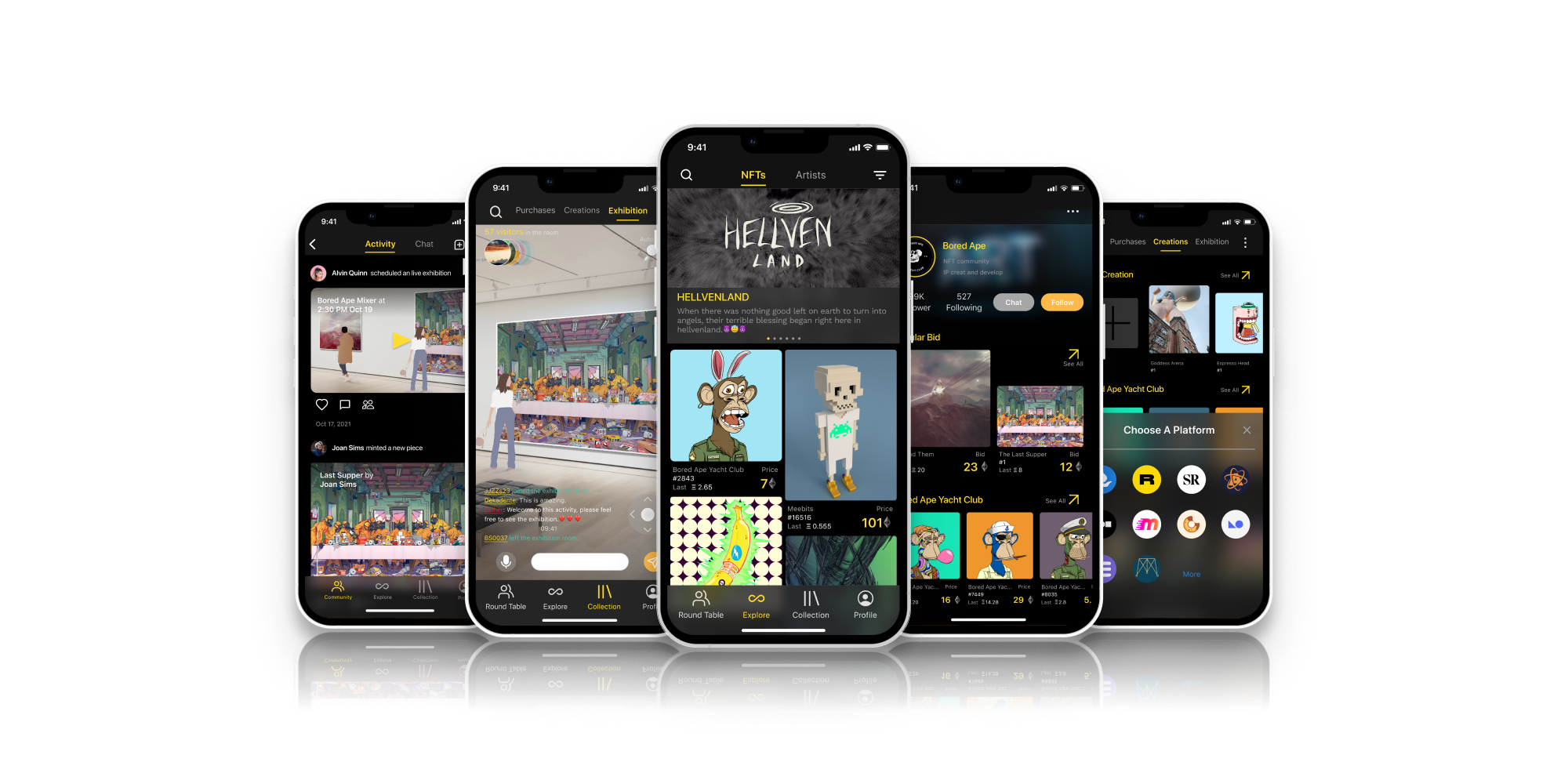
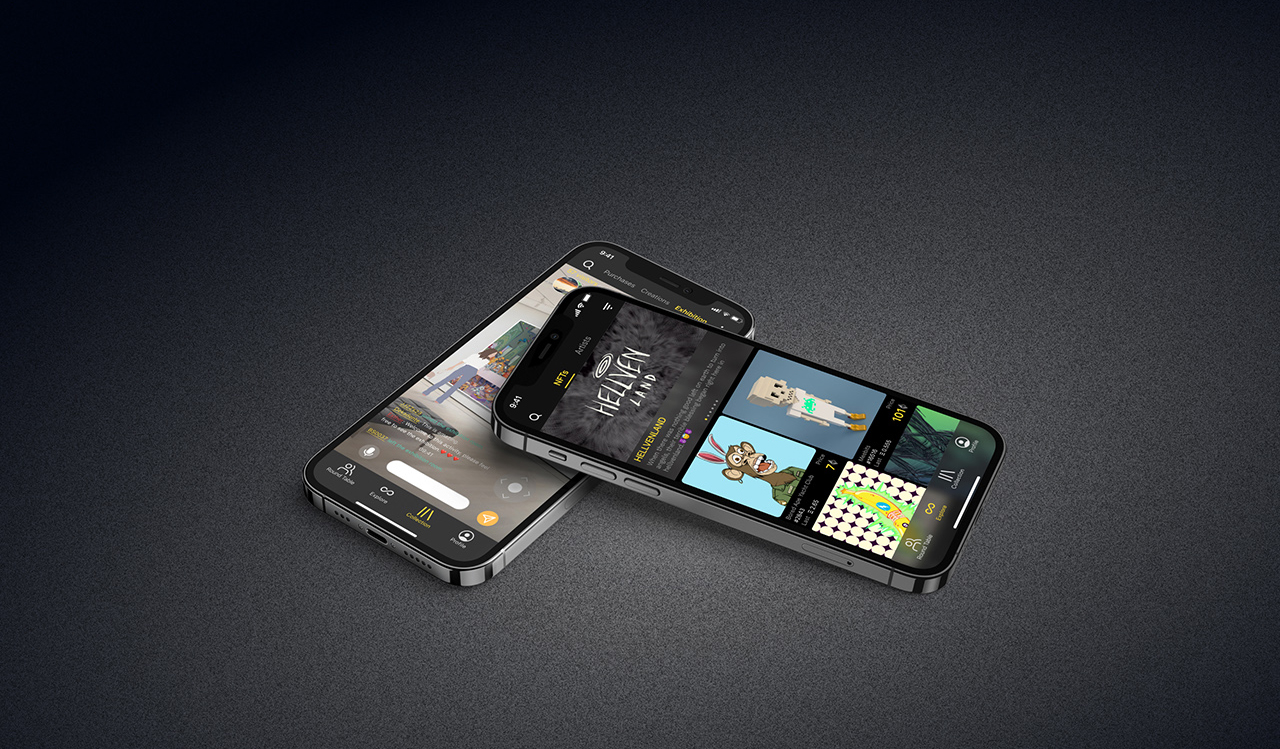
This gap inspired POP-UP — an NFT-wallet-based digital gallery that unifies storage, discovery, and social interaction into one seamless flow. Instead of treating NFTs as static assets ranked by price or volume, POP-UP personalizes recommendations to user interests, empowers artists to showcase their work through virtual exhibitions and lightweight social features, and reframes NFTs from leaderboard numbers into stories worth exploring.

Reimagining the User Journeys

🎨

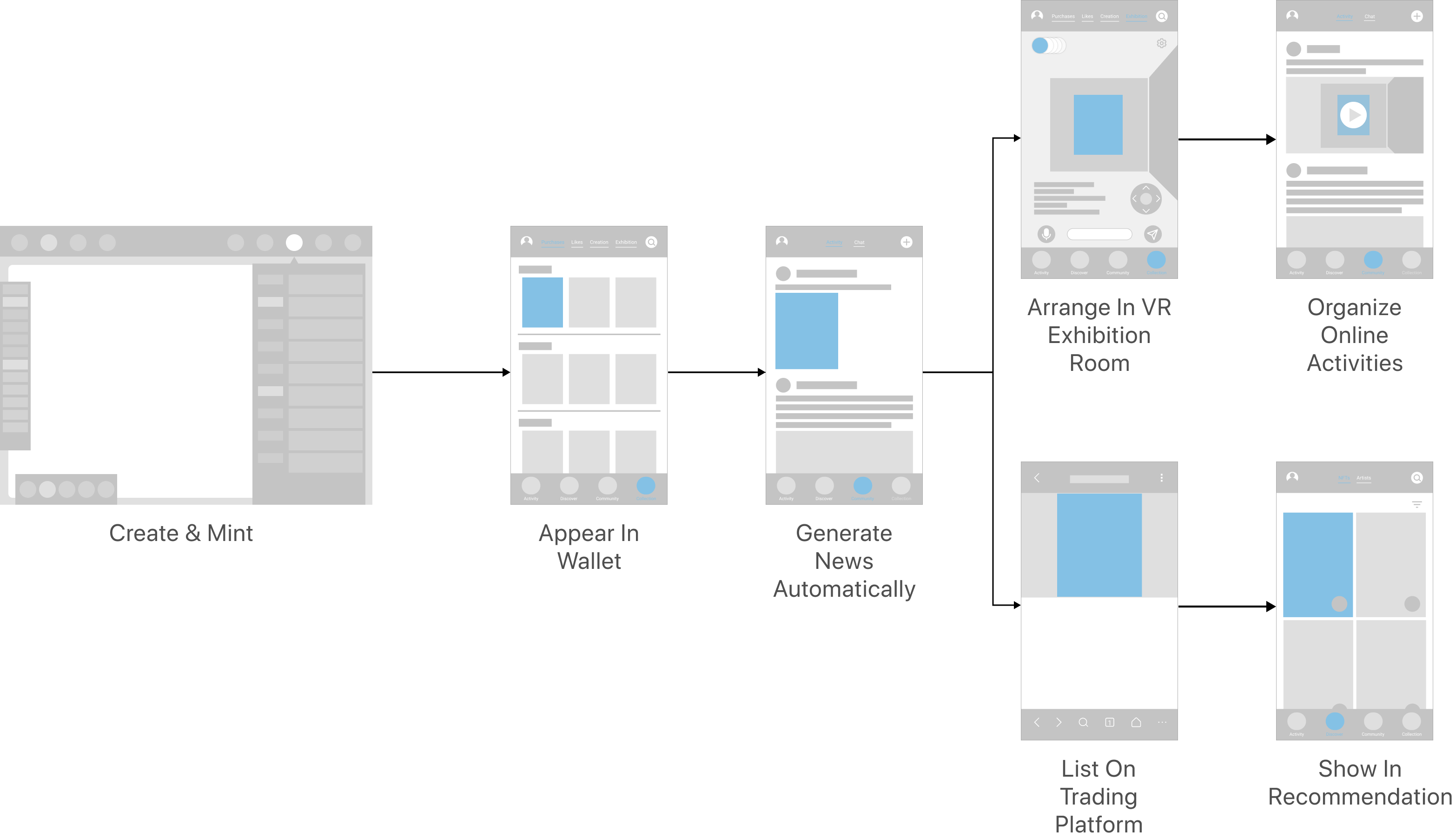
Artist Flow

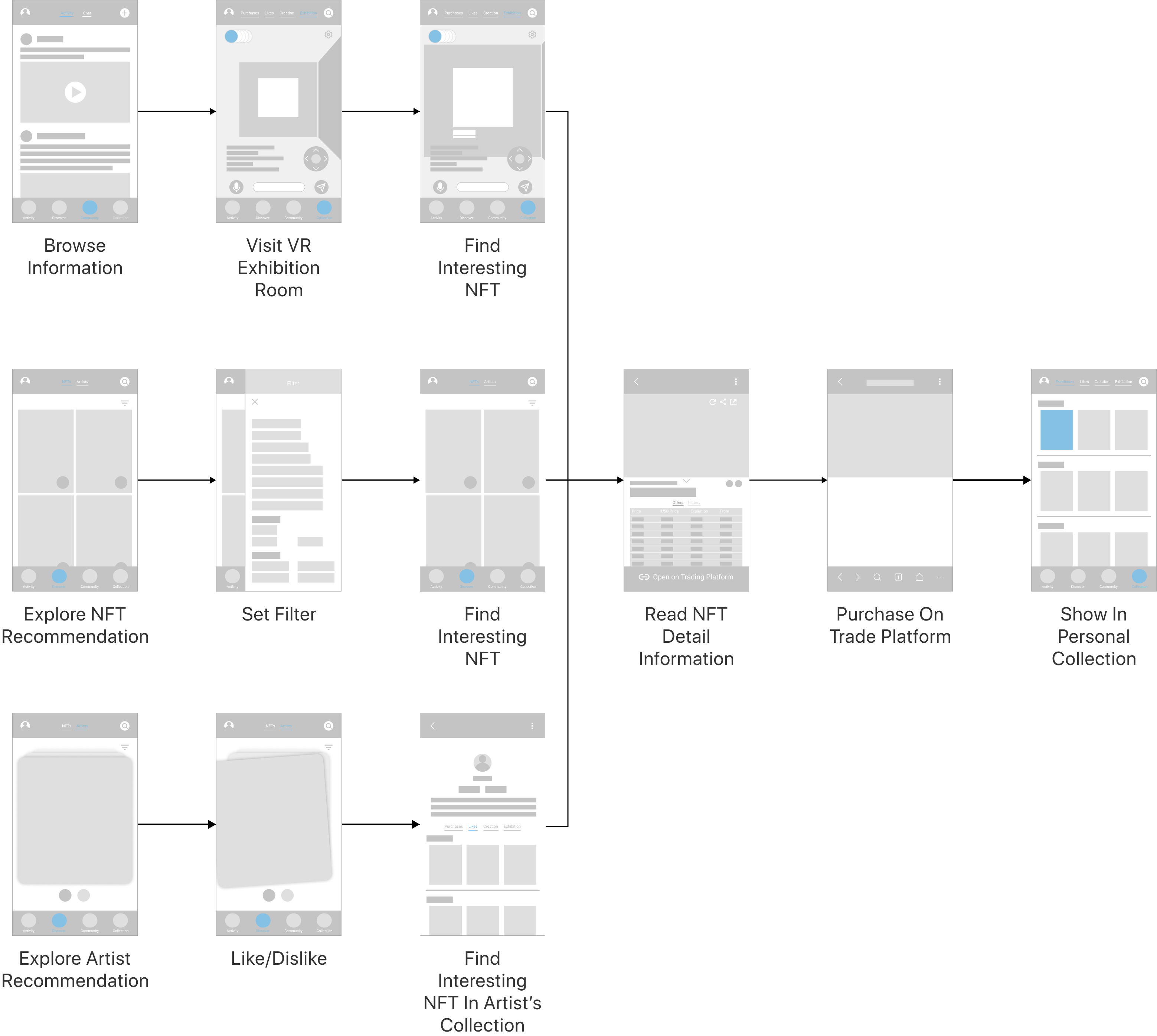
From the moment a work is minted, it automatically appears in the wallet and generates a recommendation card. Artists can arrange VR exhibitions, host online events, and simultaneously list on trading platforms — giving their work both visibility and liquidity.

👤

Buyer Flow

Collectors browse personalized feeds of artworks and artists, enter virtual rooms, and dive into detailed information. With one click, they can purchase through connected trading platforms, while every acquisition is instantly reflected in their personal collection.