Sharge — EV Charging Sharing Platform
Service Design | Mobile UX | Behavioral Flow | Awards Winning Design
My Role:
Design Lead
Product Design
Prototype
Motion Design
Team Members:
Designer ×3
Product Manager ×1
Engineer ×4
Duration:
2021 - 2023
Delivered
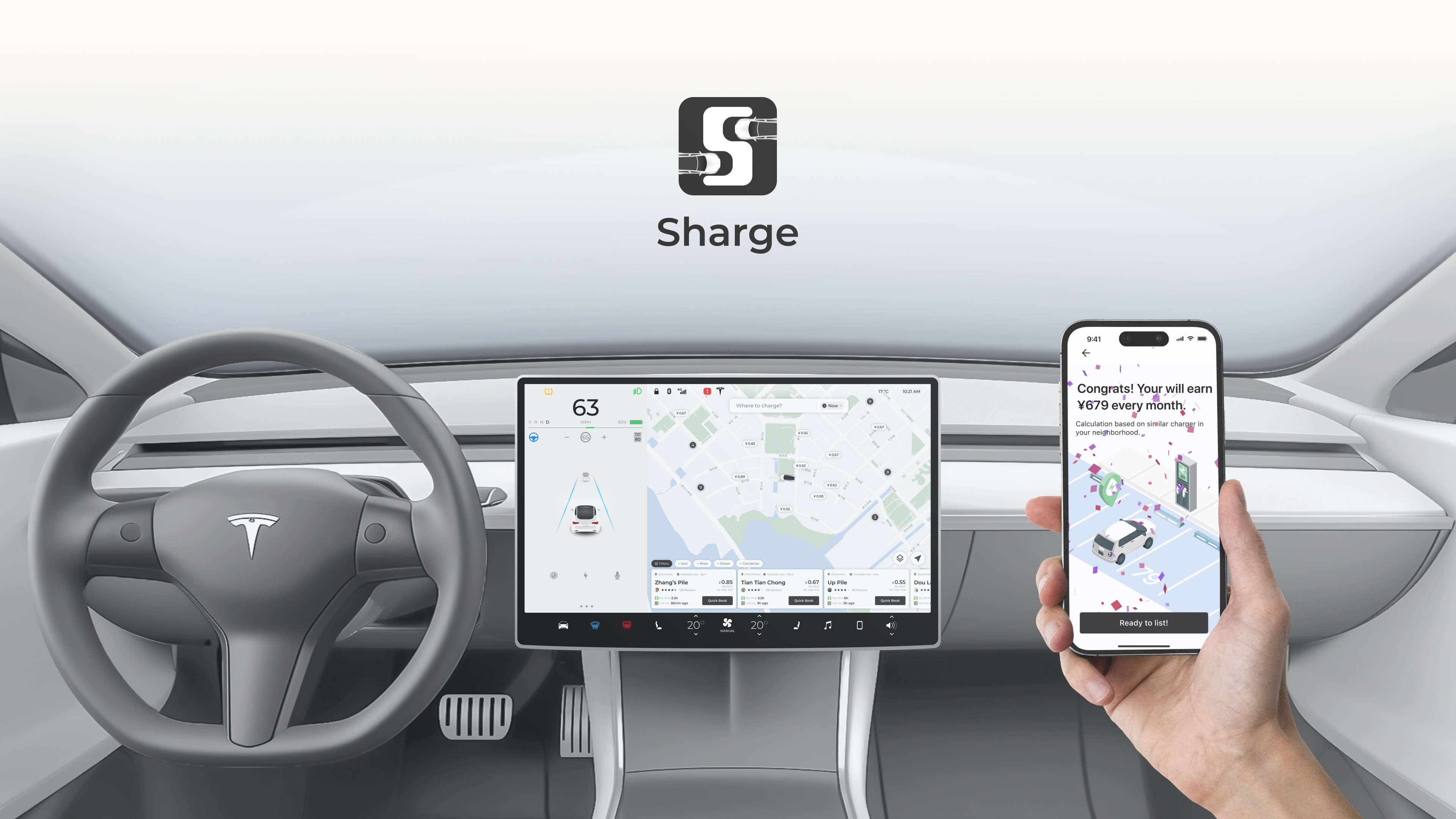
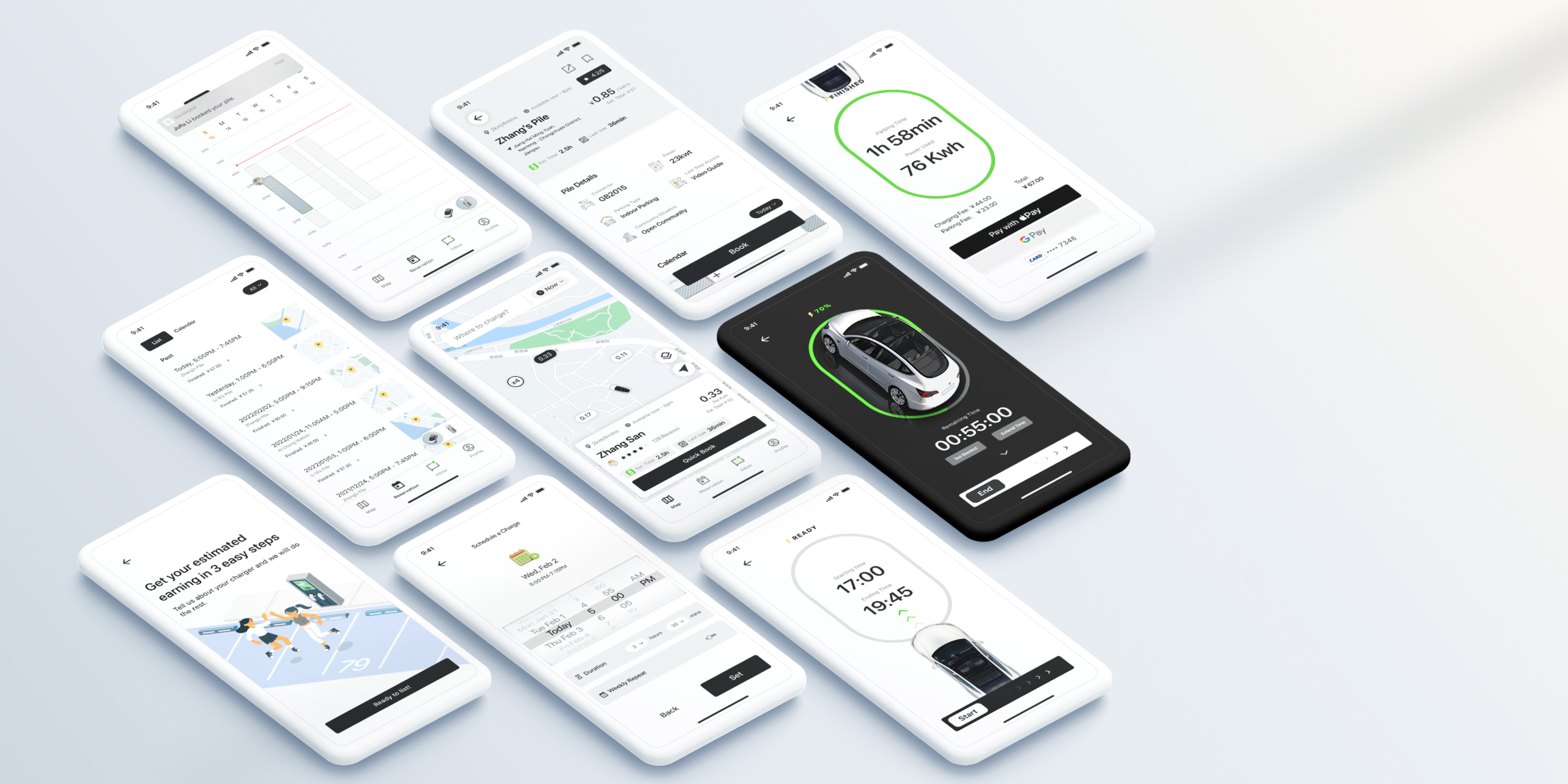
As urban EV adoption accelerated, one barrier stood out — home charging access. Sharge was conceived as a peer-to-peer platform enabling EV owners to share private charging piles with nearby drivers, transforming idle home chargers into a shared urban network.
I led the end-to-end product design, from problem framing to interactive prototype. My work covered user research, journey mapping, and service flow design, followed by the complete UX/UI system for both hosts and drivers. Through iterative testing and simulation, the app demonstrated how community sharing could close the urban charging gap and make sustainable mobility more accessible to everyone.
PROBLEM
Without home charging, many urban EV owners faced daily frustrations.
RESEARCH & CONTEXT
User Insights from Diverse Sources
Real user insights were collected from research, surveys, and interviews to understand Chinese EV owners’ charging struggles.
📚 × 27
Articles
💬 × 42
Social Posts
📺 × 7
Online UGC Videos
📝 × 17
Survey Responses
🎤 × 4
EV User Interviews
EV Market Growth Outpaces Charging Infrastructure
Begin to Take Shape
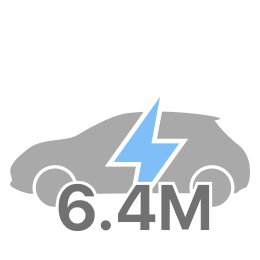
By the end of 2021, China had 6.4M EVs, making up 2.1% of all cars.
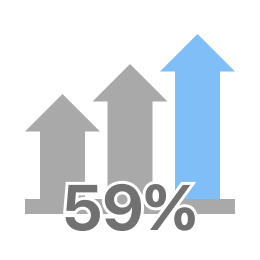
Rapid Growth
EV sales in 2021 grew 59% compared to 2020.
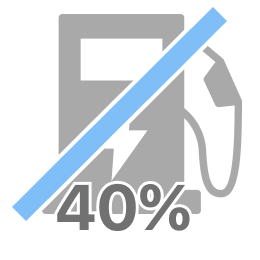
Begin to Take Shape
By 2021, 2.53M private chargers were missing—impacting 40% of EV users.
Private Piles Were Not an Option for Most City EV Owners
🏢
Infrastructure Limits:
Apartment living and shared parking meant no fixed spots or wiring support for many.
💰
Economic Barriers:
Affordable EVs under ¥150K dominated sales, while pile installation costs discouraged owners.
🏙
Lifestyle Mobility:
High work–life mobility in cities made renters unwilling to invest in long-term infrastructure.
However, Public Charging Wasn’t a Good Alternative Either
💰
Expensive: Industrial and commercial electricity costs 1.25–1.45× more than residential.
“The pile I used cost ¥1.49/kWh, almost the same as gasoline.” – Mr. Zhang
⏱
Inconvenient: Long detours, queues, and constant monitoring to avoid fines.
“The nearest Tesla supercharger is 30 mins away, others nearby are too slow.” – Ms. Ning
🚧
Unreliable: Poor maintenance, frequent outages, and unpredictable availability.
“Every Friday there’s a long line under my office building.” – Mrs. Zhu
Opportunity: China‘s Urban Lifestyles Make Shared Charging Viable.
🏙️
Residential pattern:
Underground parking enables easy neighbor-to-neighbor sharing.
🔌
Idle capacity:
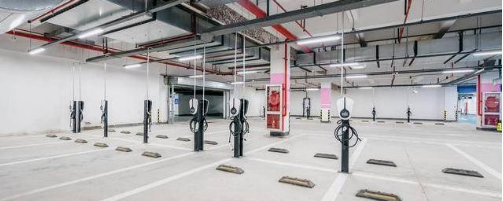
75% of private chargers sit unused, creating income potential.
💰
Cost advantage:
Residential electricity is only 70% of commercial, while public charging can cost up to 3× more.
CHALLENGE
How Might We help EV owners without private charging piles?
IDEATION
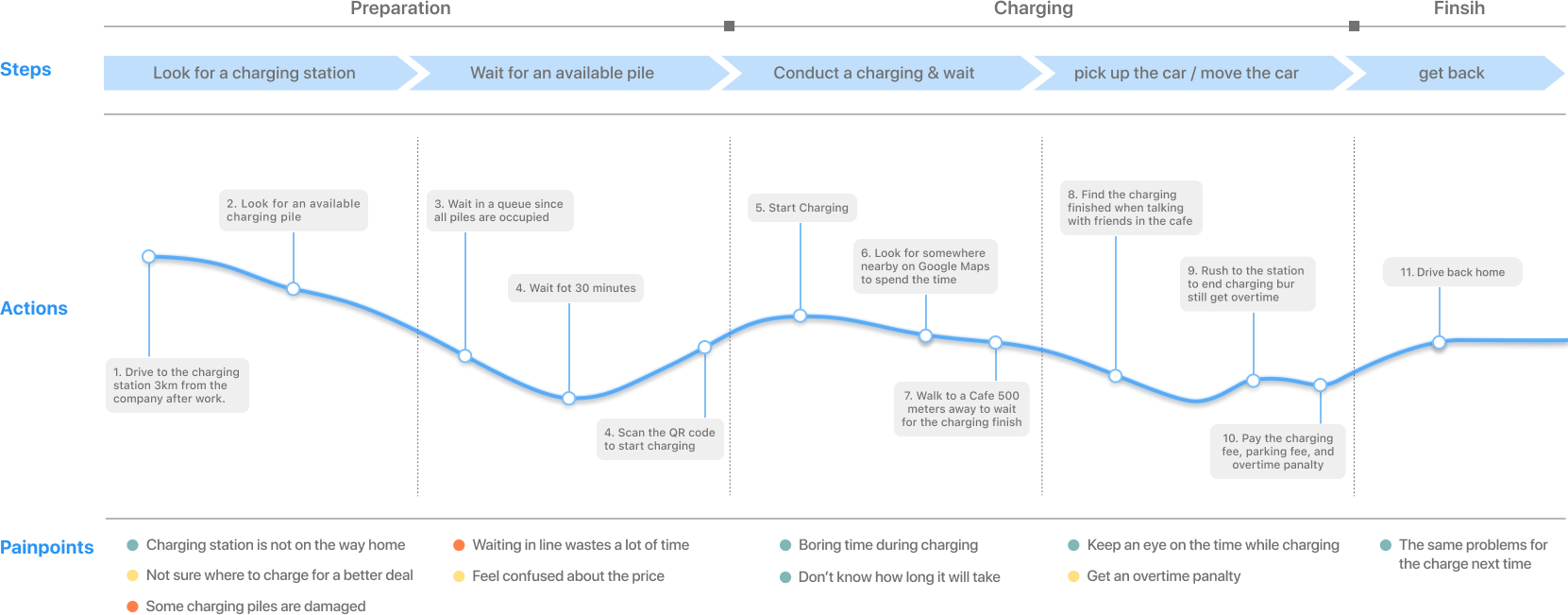
Public Charging Journey
To frame the challenge, we mapped the end-to-end journey of drivers who rely on public charging. This process revealed where frustrations accumulate and where design opportunities could improve the experience.
The journey shows how EV owners navigate each step—from searching for a station to completing the charge—and the emotional highs and lows along the way. It highlights that public charging is more than plugging in a car; it’s a fragmented, time-consuming routine full of uncertainty.
Charging Journey Pain Points
From the journey, four recurring pain points stood out—frustrating drivers and discouraging hosts.
🔍
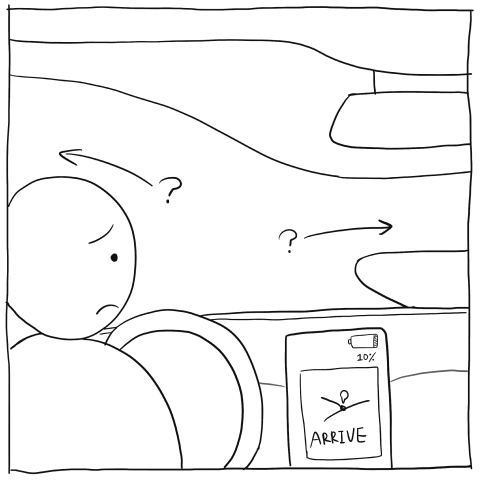
Hard to Find in Last Mile
Poor navigation, especially in underground garages, makes locating a charger confusing and time-consuming.
“I kept driving in circles underground and still couldn’t locate the charger.”
🚫
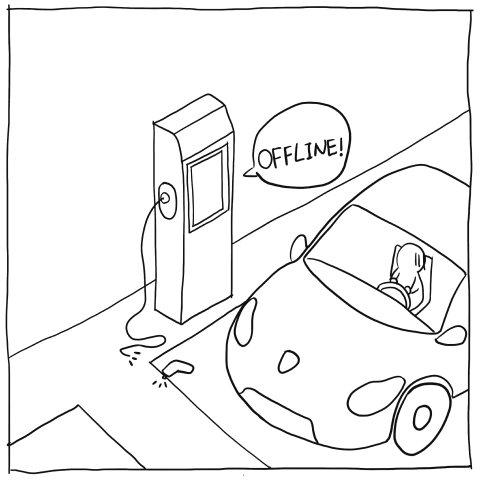
Broken Piles Frustrate Drivers
Arriving at a station only to find the pile offline creates wasted trips and user frustration.
“I waited half an hour in line, but when it was finally my turn, the charger didn’t work.”
⏰
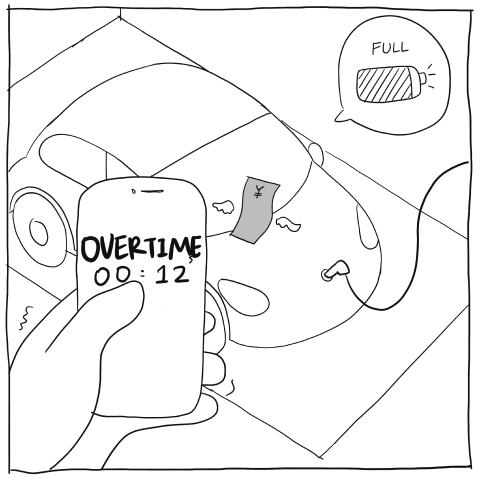
Overtime Fines Add Stress
Uncertain charging times mean drivers worry about penalties that can cost more than the charging itself.
“I can’t relax during charging. I keep checking my phone, afraid of getting fined.”
📱
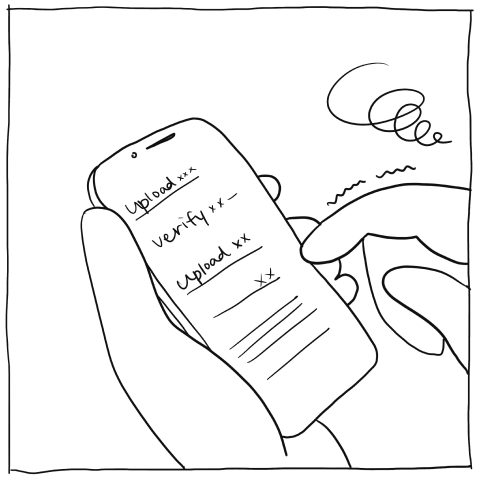
Sign-Up Feels Overly Complicated
Lengthy input steps and verification hurdles frustrate both drivers and hosts, making it harder for users to get started.
“It took longer to sign up than to actually charge my car.”
New User Flow: From Stressful Charging to Seamless Journeys
We reimagined the end-to-end flows for both drivers and hosts. These redesigned flows turned charging from a daily frustration into a seamless two-sided marketplace—making life easier for drivers and more rewarding for hosts.

Drivers: A Seamless Charging Flow
The new flow helps drivers find, book, and complete a charging session without the frustration of searching, waiting, or worrying about penalties.
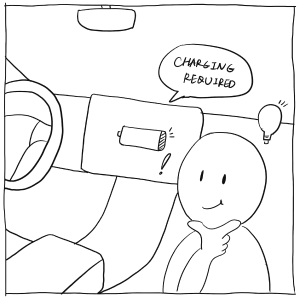
1. Realize charging need
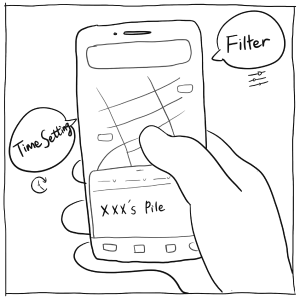
2. Search and filter
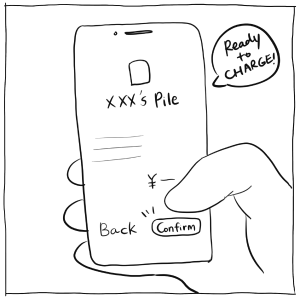
3. Reserve with confidence
4. Go to your reserved charger
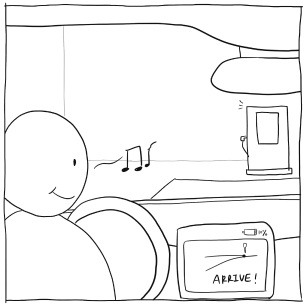
5. Arrive smoothly
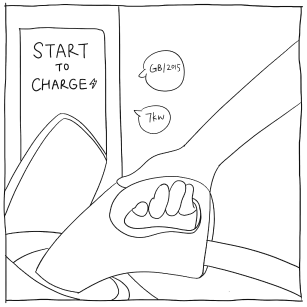
6. Start charging
7. Track progress
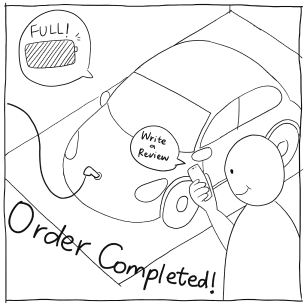
8. Complete charging

Hosts: Turning Idle Piles into Income
The host flow makes it effortless to share a private pile, lowering barriers to entry and creating new income opportunities.
1. List a pile
2. See estimated earnings
3. Verify identity
4. Publish availability
SOLUTION
From Painful Journeys to Designed Details
Moving from mapped frustrations to detailed solutions that create seamless charging experiences.

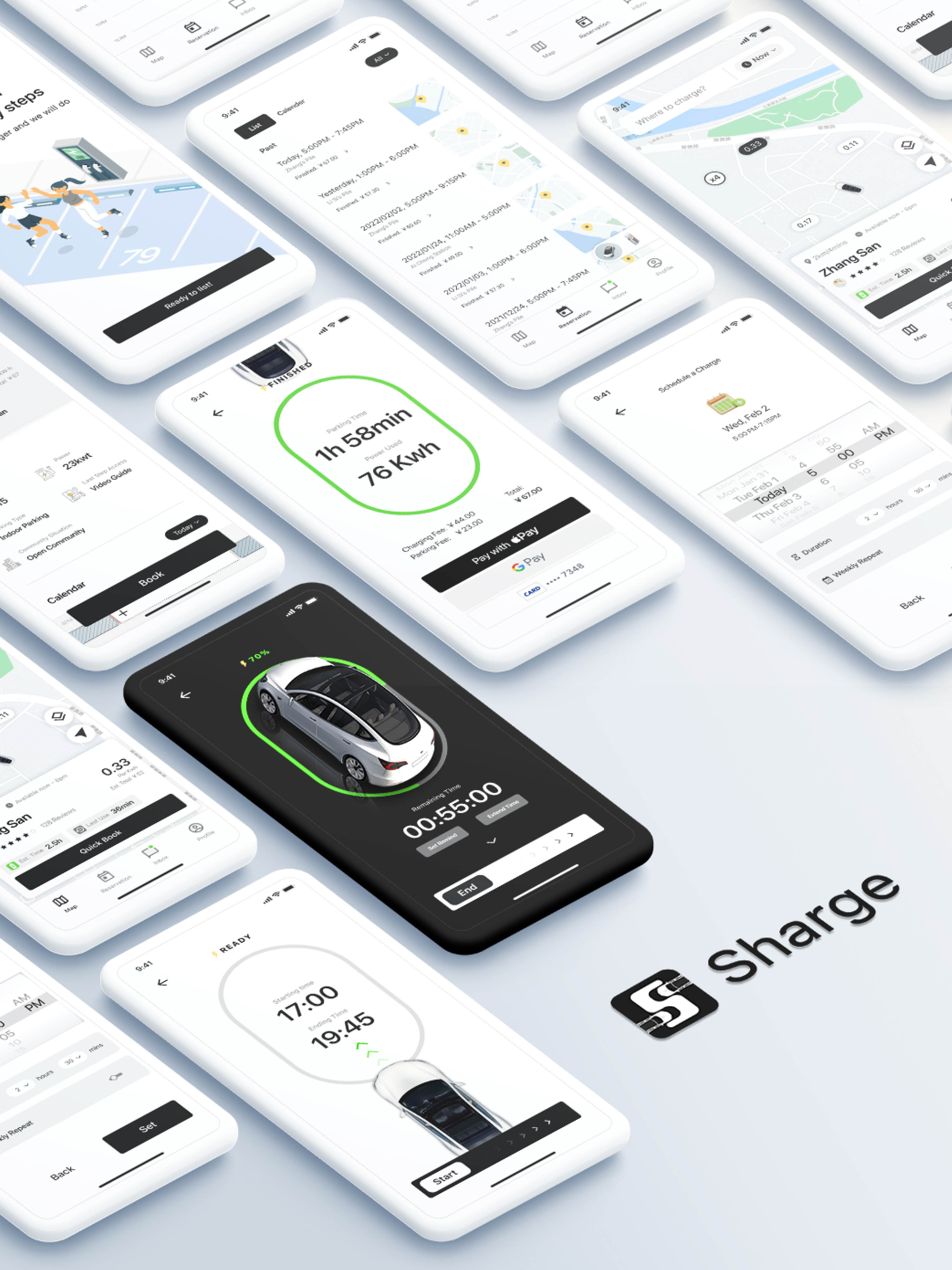
Driver's Flow
Schedule a Charging Pile
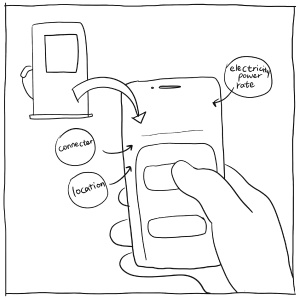
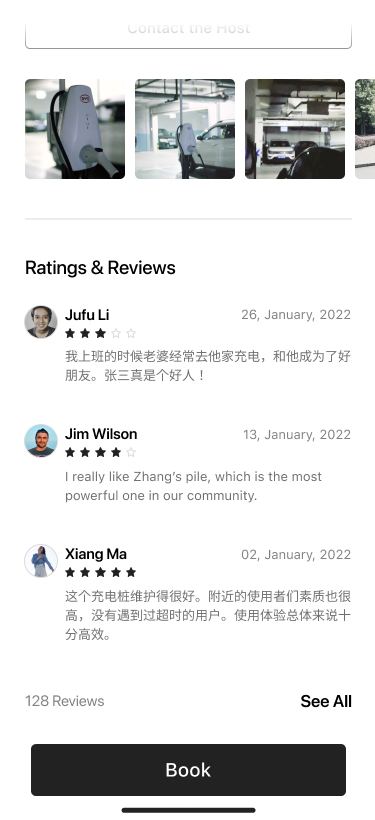
Drivers can browse nearby piles with transparent details—price, ratings, reviews, and photos—so they can book with confidence instead of guessing.
Get Charged with Confidence
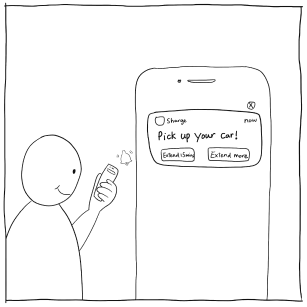
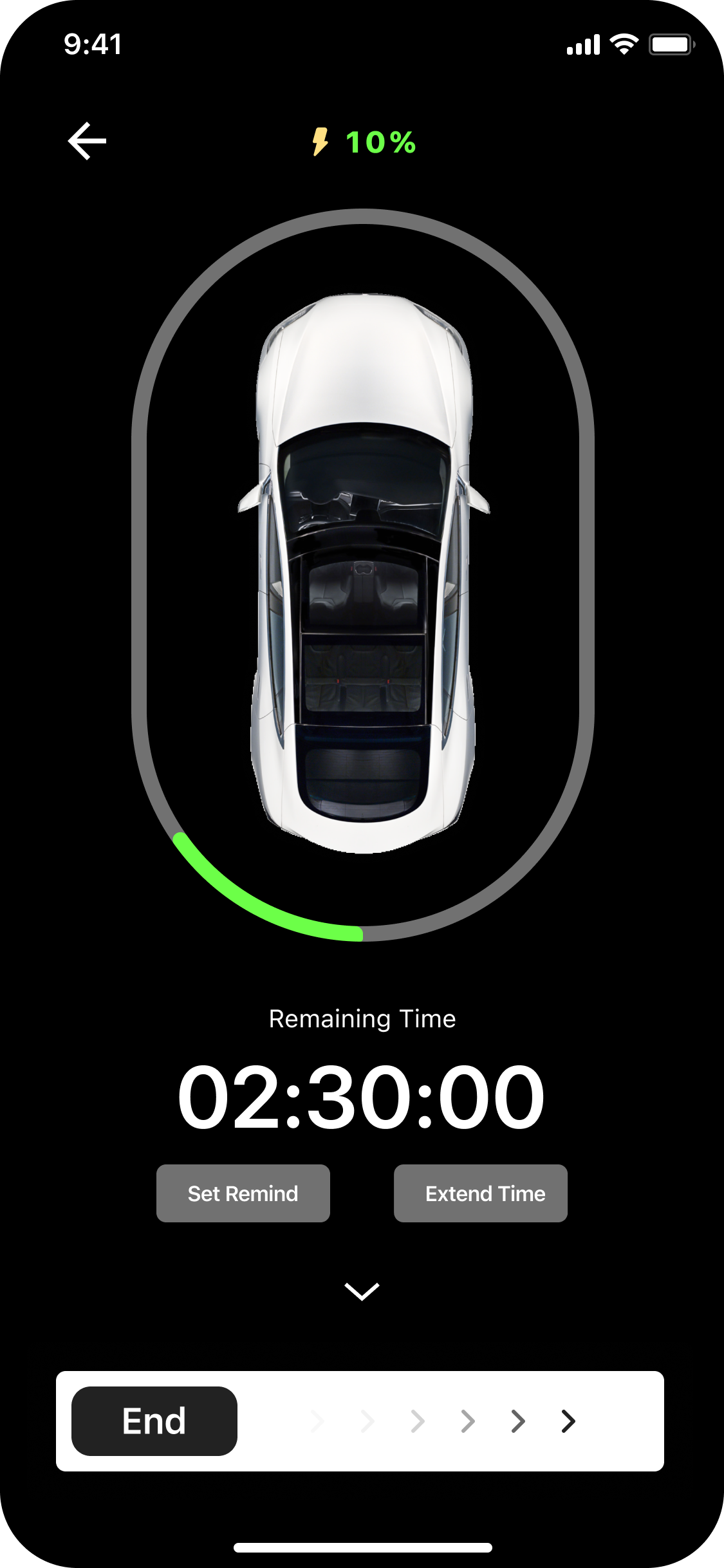
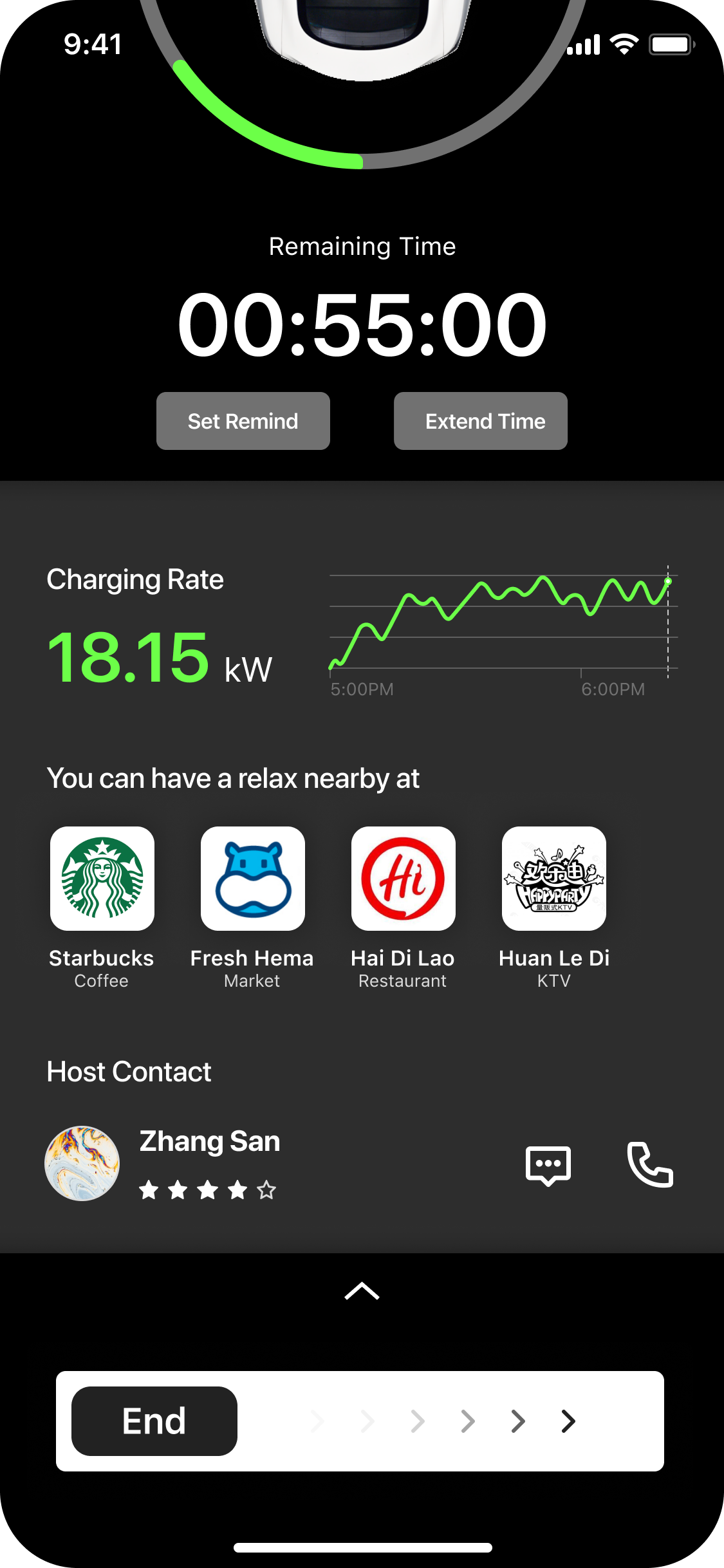
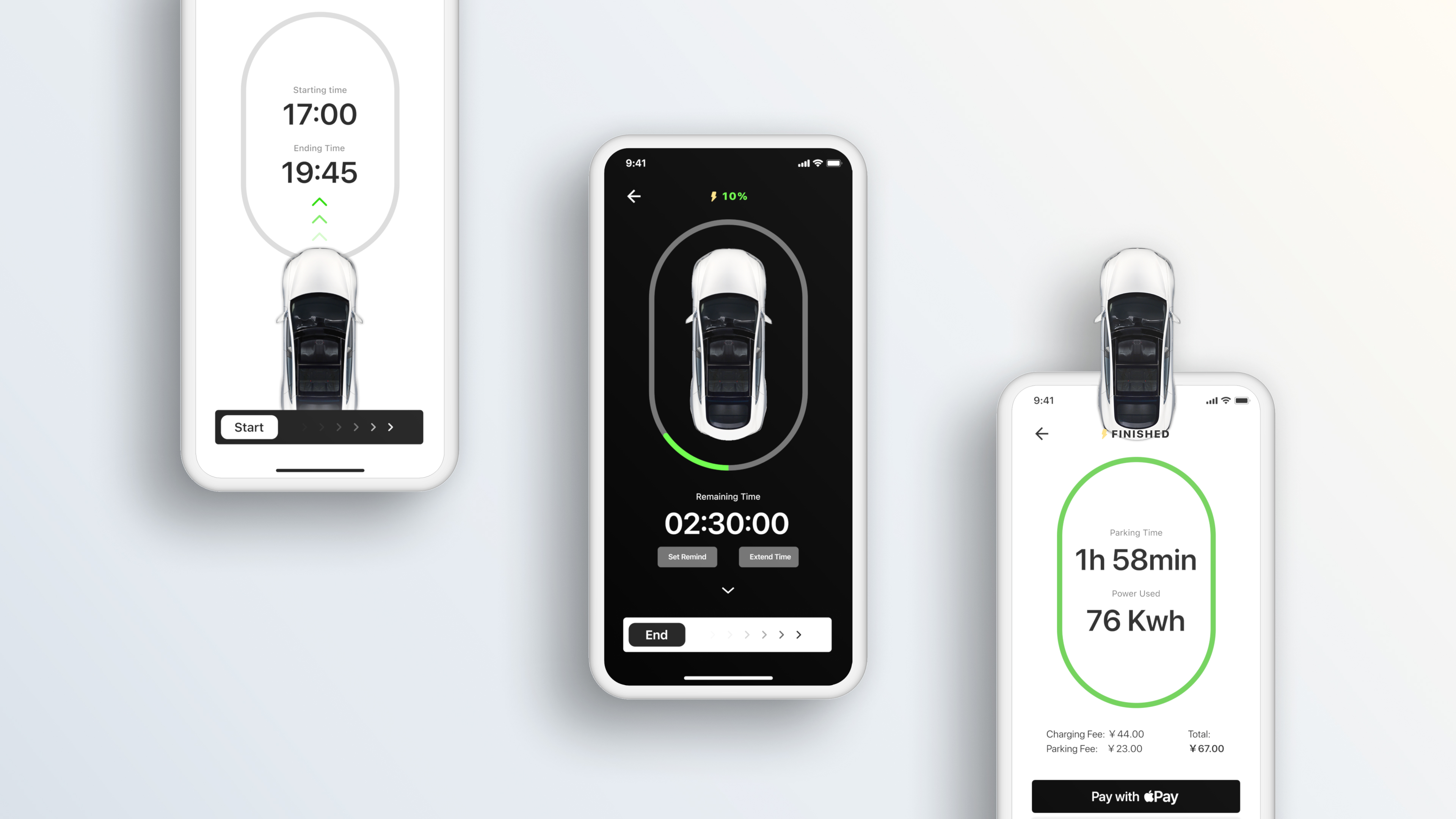
Real-time status, reminders, and progress tracking remove the anxiety of unpredictable charging sessions and overtime penalties.

Host's Flow
List a Pile Effortlessly
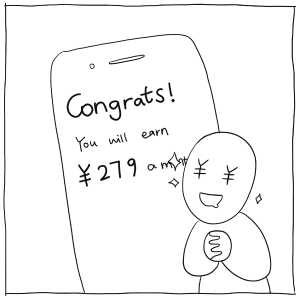
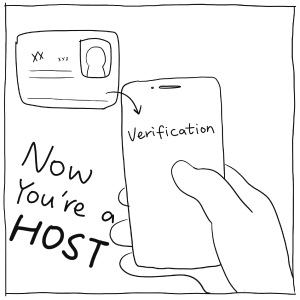
Pile owners receive an instant earning estimate and guided onboarding. With simplified uploads and verification, turning a private pile into income takes minutes.
Manage Availability with Ease
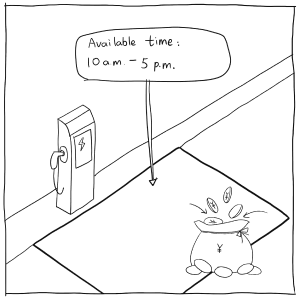
A dedicated calendar lets hosts set and adjust available time slots, ensuring no conflict with personal use while maximizing idle-time value.
DESIGN ITERATION
How I Get Here?
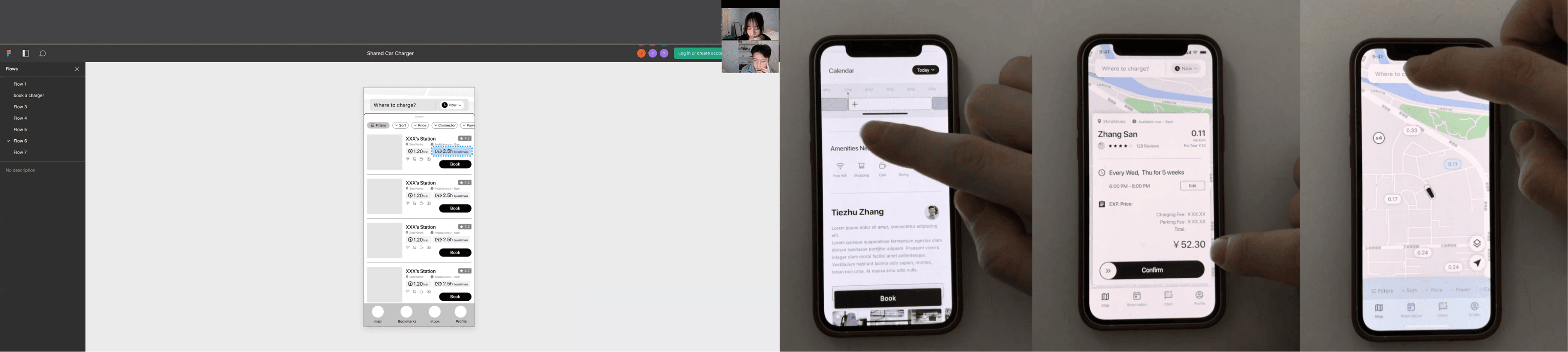
The flows were refined through multiple iterations, focusing on clarity, efficiency, and reducing cognitive load.
📍
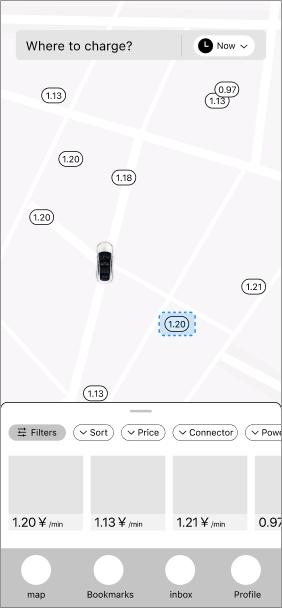
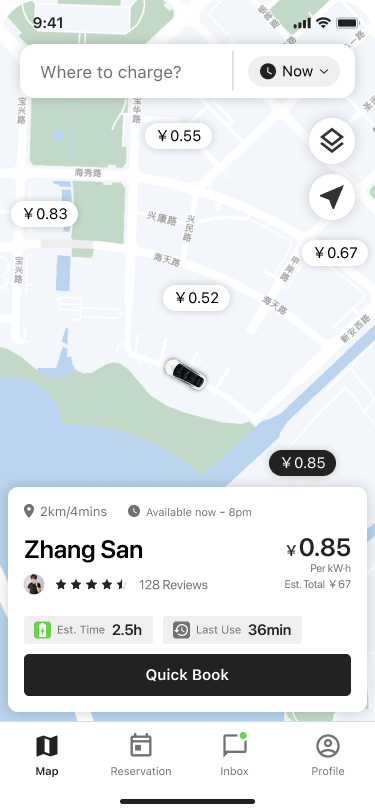
Show What Really Counts
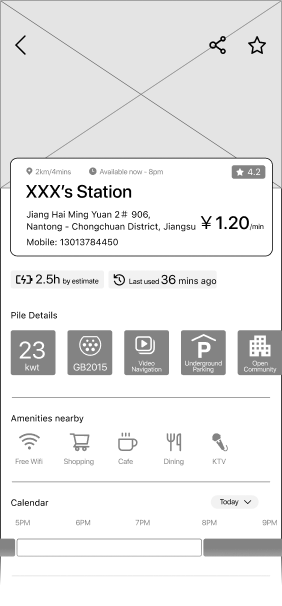
Wireframe emphasized photos, which were rarely used.
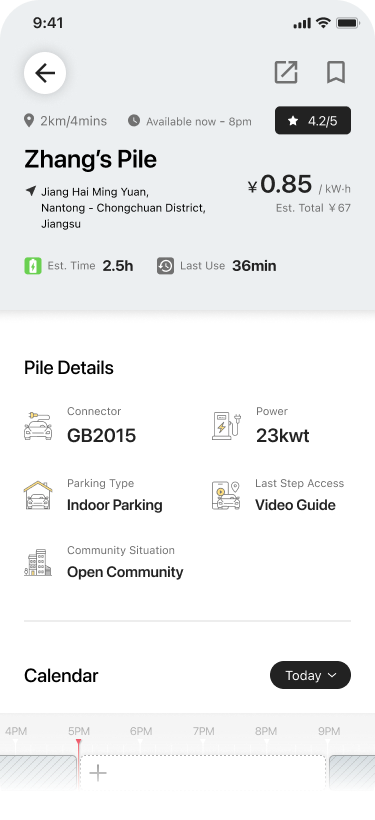
Final Design surfaces price and distance prominently on both map and list views, enabling instant comparison.


Shifted focus from visuals to value, helping users find affordable and nearby piles at a glance.
📅
Book Without the Hassle
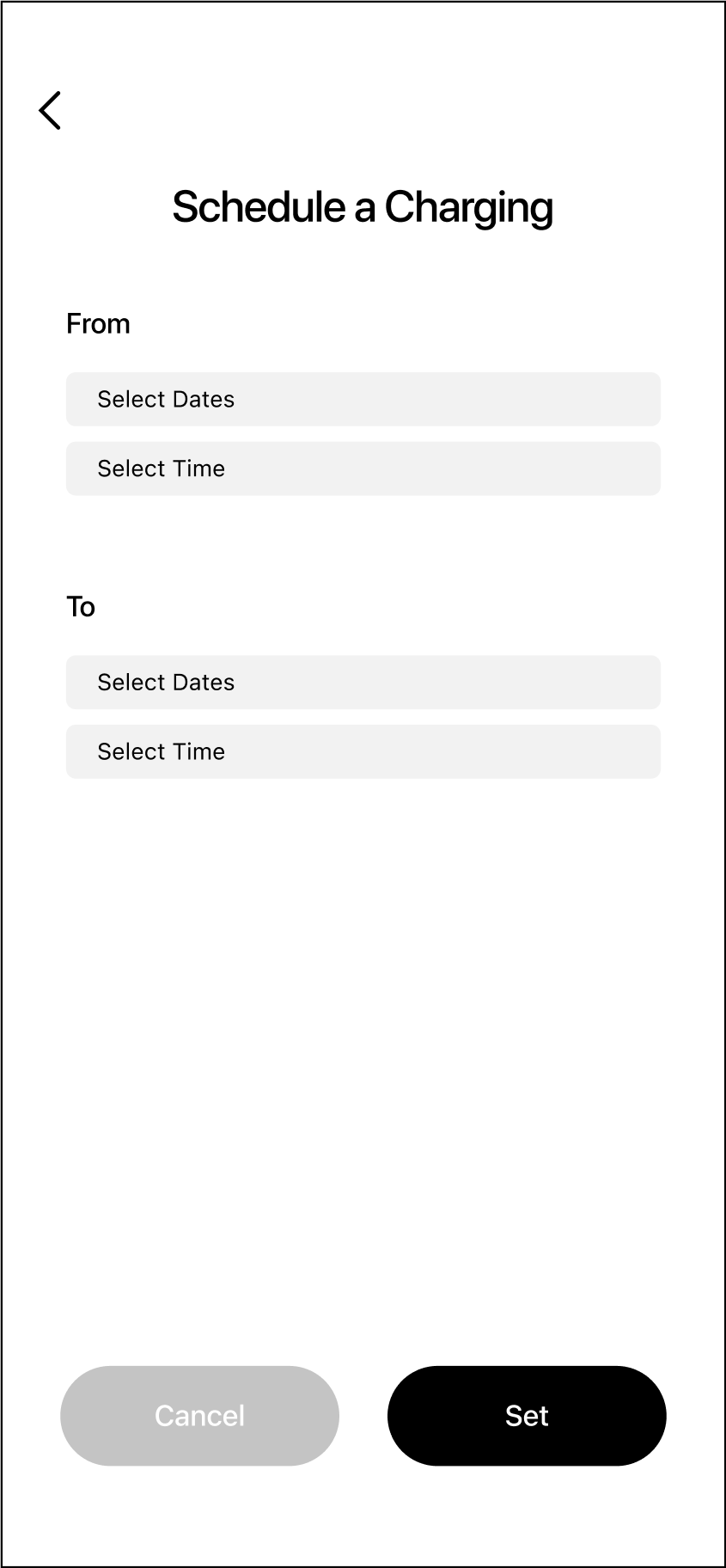
Wireframe required inputting both start & end times, adding unnecessary steps.
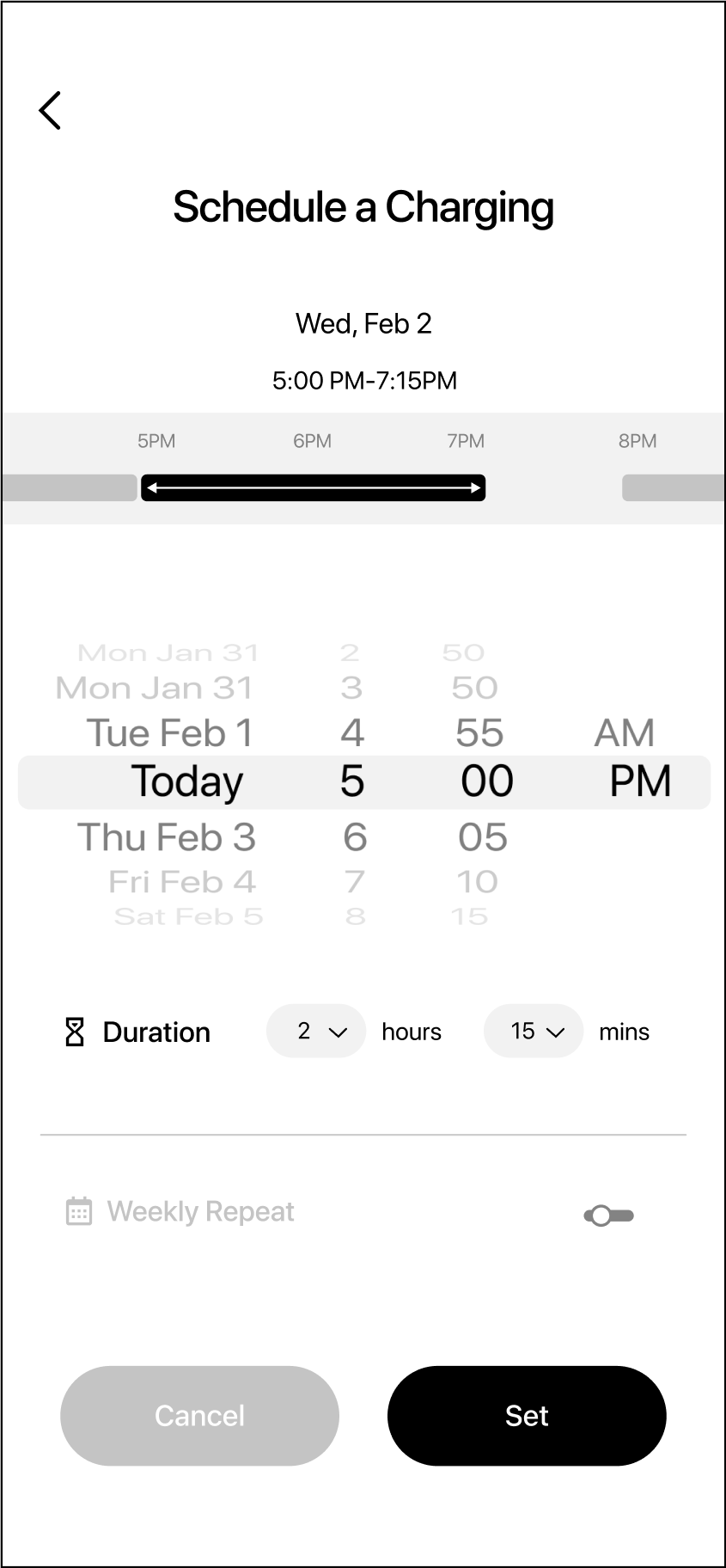
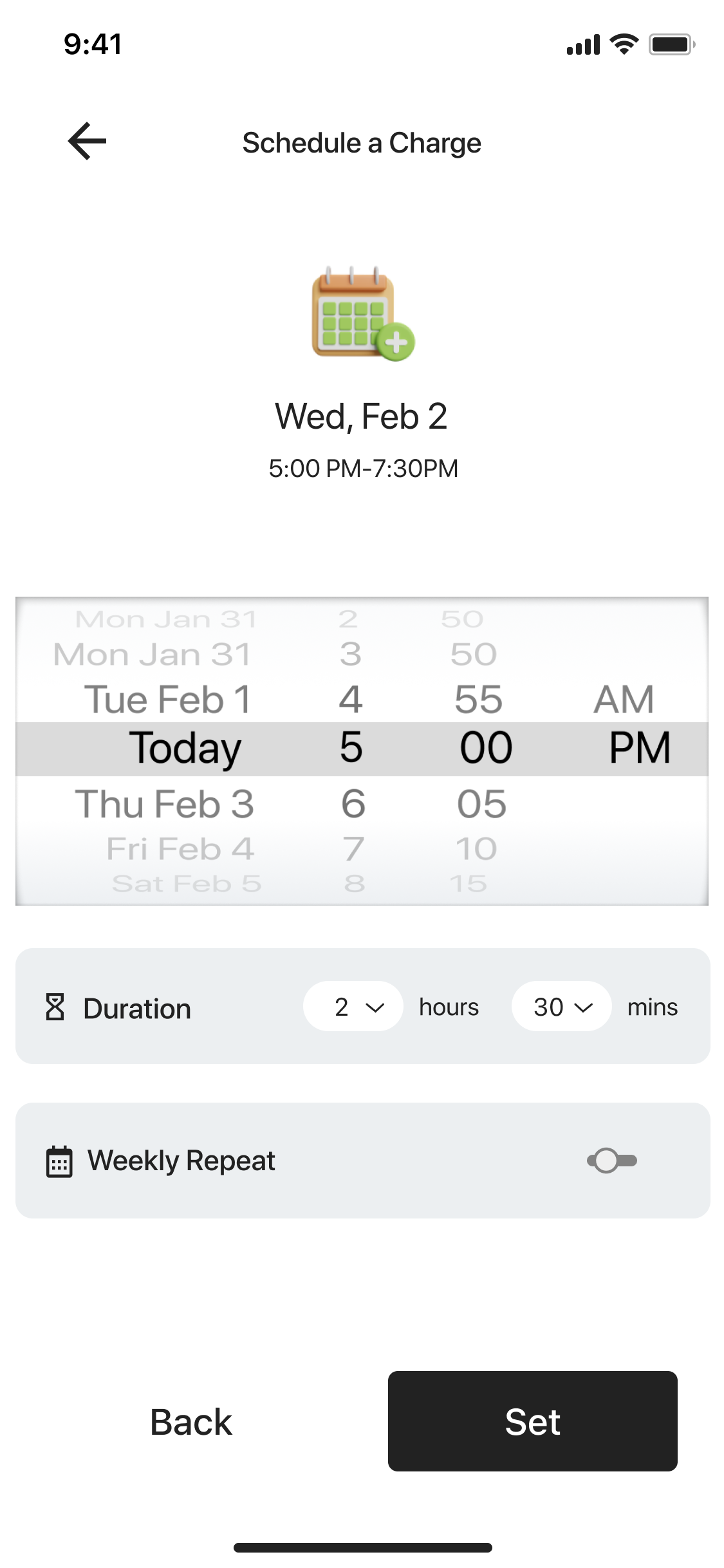
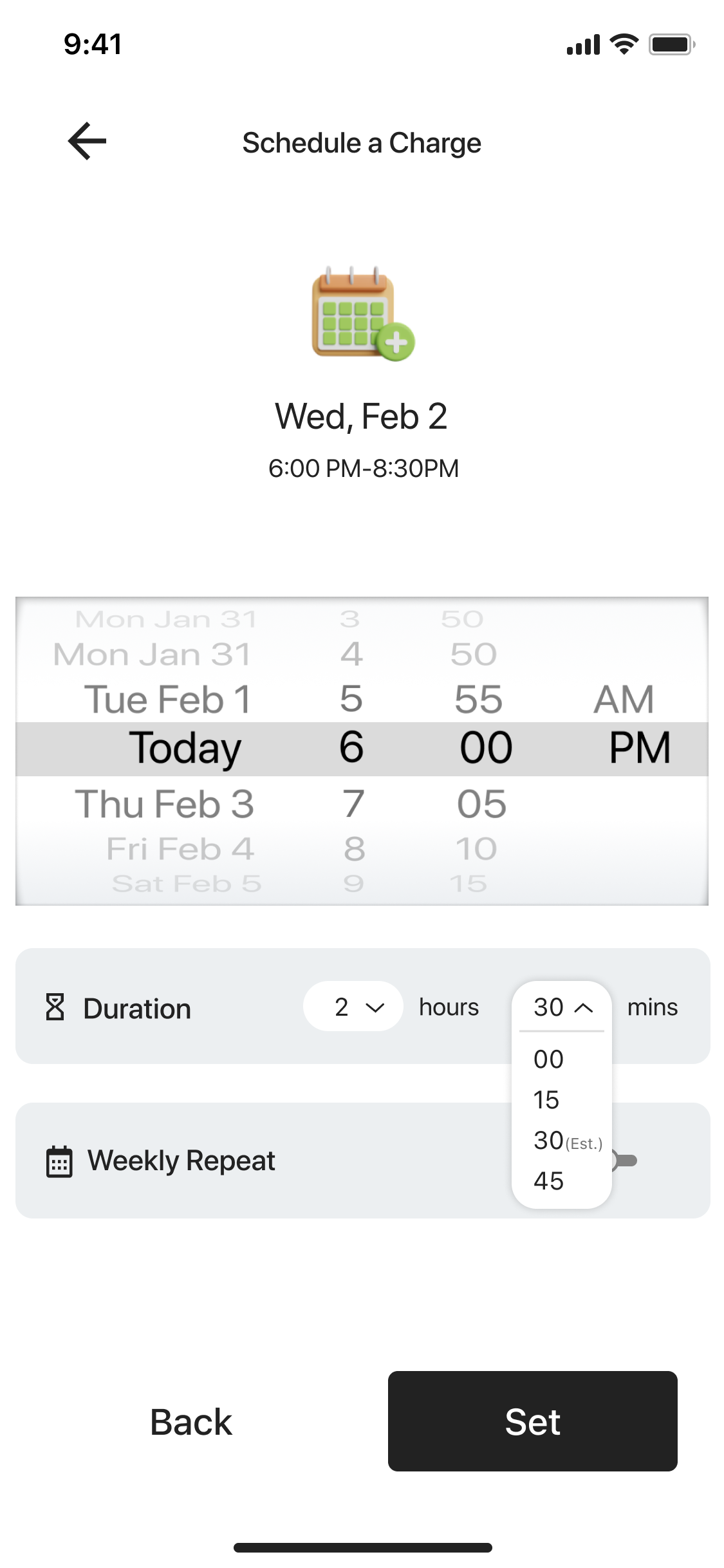
Final Design simplifies to “start time + duration” and automatically blocks unavailable slots.


Redesigned scheduling flow to cut steps and eliminate errors, making booking fast and frustration-free.
⚡
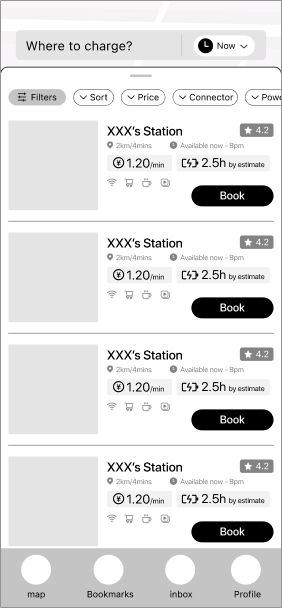
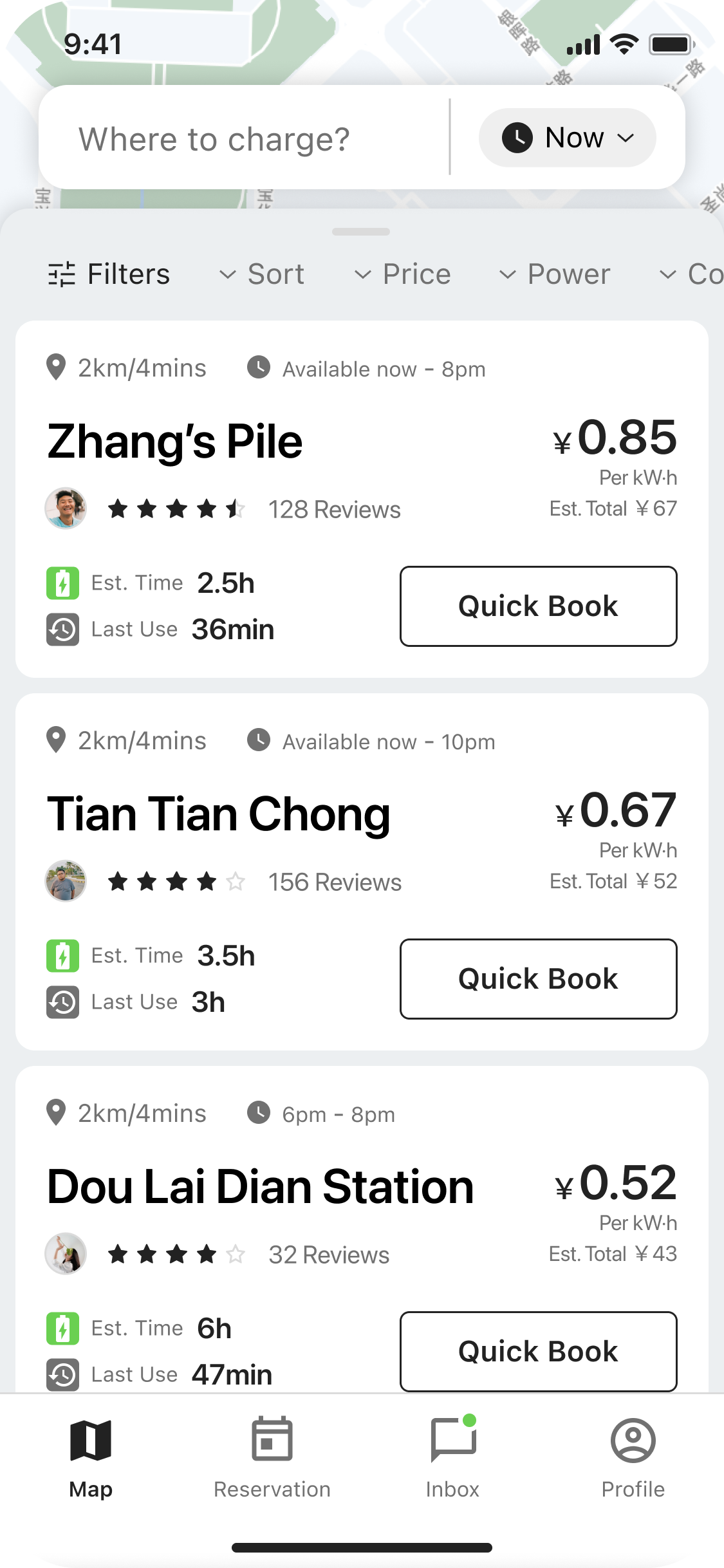
Clarity First, Distraction Last
Wireframe mixed critical info (price, availability) with less relevant details.
Final Design restructures cards: key info (price, reviews, availability) upfront, while secondary details are folded under icons.


Reorganized hierarchy to spotlight what users need first, reducing cognitive load and decision time.
⭐
Focus on What Matters
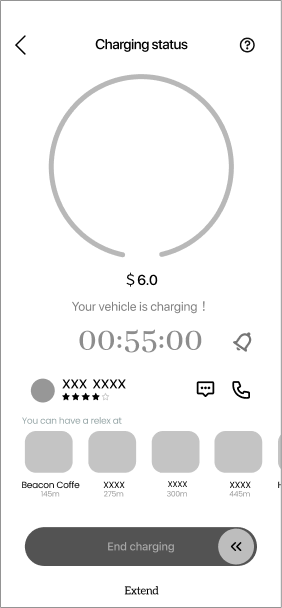
Wireframe cluttered the charging screen with multiple elements.
Final Design restructures cards: key info (price, reviews, availability) upfront, while secondary details are folded under icons.


Made the charging experience calmer and more focused, while still giving access to extra details when needed.


IMPACT
From Local Insight to International Impact
The project received multiple international design recognitions, including the 2024 MUSE Design Awards and NY Product Design Awards, as well as the 2025 iF Design Award, A’ Design Award, UX Design Award, and Red Dot Design Concept Award.


Designing Clarity That Inspires Confidence
The concept introduced a new, transparent way for drivers and hosts to connect through charging. Testing showed that clear interaction logic and straightforward onboarding could foster trust, simplify participation, and make the idea of shared charging feel both accessible and credible.
⭐
87% satisfaction
Drivers described the concept as intuitive and easy to navigate.
🤝
+60% host intent
Simplified flows increased willingness to share private chargers.
⚡
–70% search time
Finding and booking chargers became significantly faster in testing.
Copyright © NextWave 2026 All Rights Reserved
Let’s connect—reach out to discuss projects, partnerships, or general inquiries.